
Buying or Owning a Home
New-Construction Final Inspection
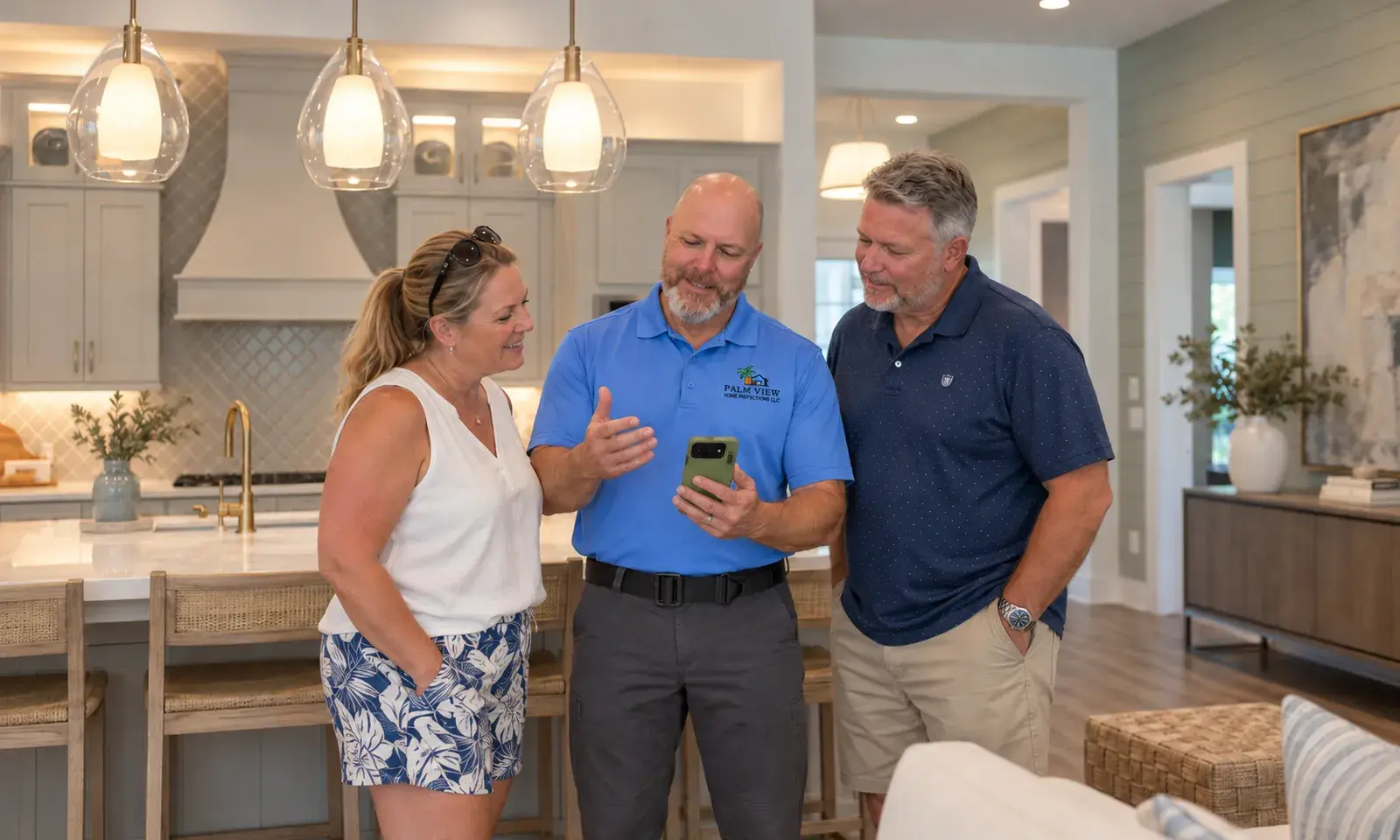
Quick answer
What is a new-construction final inspection?
A new-construction final inspection is an independent home inspection of a newly built house performed after construction is substantially complete but before closing or your final walkthrough with the builder. It uses the same visual scope as a standard home inspection, focused on documenting incomplete work, installation defects, and damage so you can ask the builder to correct them before you take ownership.
Why inspect a brand-new home?
A new home passing municipal inspections and receiving a certificate of occupancy means it met minimum code requirements at the time each inspection was performed. Municipal inspectors check specific milestones, often under heavy workloads; they don't evaluate workmanship across the entire finished home, and they don't work for you.
Across Tampa Bay's fast-growing communities, the most common new-construction findings are not dramatic structural failures — they're the details: missing insulation in an attic section, reversed hot and cold supply lines, unsealed roof or wall penetrations, HVAC condensate lines that don't drain properly, loose or missing hardware, grading that slopes toward the slab, and damage from other trades. Those are far easier to get fixed before closing than after.
Same scope, different purpose
A new-construction final inspection uses the same visual scope as a residential home inspection. What changes is the purpose: instead of deciding whether to buy, you're building a documented punch list the builder can act on before final acceptance. The report is organized so you can hand the relevant items to your builder's representative.
Builder access
Most builders allow independent inspections with advance notice, but policies vary. Some require proof of licensing and insurance, restrict inspection times, or limit roof access. We recommend confirming the builder's inspection policy in writing and scheduling once the home is substantially complete — utilities on, flooring and fixtures installed — typically 7–14 days before your walkthrough.
Who typically needs it
- Buyers of a newly built home in a master-planned community or on a single lot
- Buyers who want an independent second set of eyes separate from the builder's quality team
- Out-of-area buyers who can't personally monitor construction
What's included
We evaluate
- Full visual home-inspection scope on a substantially completed home
- Roof covering, flashing, and attic insulation coverage
- Electrical panel labeling, outlets, GFCI/AFCI operation
- Plumbing fixtures, supply/drain function, water heater installation
- HVAC operation, condensate drainage, and duct connections in the attic
- Windows and doors for operation, seals, and damage
- Exterior grading, drainage, and site conditions
- Photo-documented punch list organized for the builder
Not included
- Code compliance or permit verification
- Components concealed by finished drywall (see pre-drywall inspection)
- Items the builder has not yet completed at the time of inspection
Benefits
- Independent documentation separate from the builder's own quality checks
- Items corrected before closing, when builders are most responsive
- A baseline record of the home's condition on day one
- Pairs naturally with an 11-month warranty inspection later
Pricing and cost factors
From $290 (under 1,000 sq ft)
New-construction final inspections follow residential pricing tiers based on square footage.
Homes over 5,000 sq. ft. – call for custom quote.
- Living area
- Location (travel adjustment beyond our service area)
- Optional re-inspection visit
- Add-on wind mitigation for insurance
What to expect
When to schedule: Schedule 7–14 days before your final walkthrough, once utilities are on and finishes are installed.
Step 1: Confirm builder policy
Ask your builder or sales rep how independent inspections are scheduled. We can coordinate directly if you prefer.
Step 2: Inspect when substantially complete
Utilities should be on and finishes installed. We inspect the whole home and photograph every finding.
Step 3: Punch-list report
Findings are organized so you can submit them to the builder before the final walkthrough.
Step 4: Optional re-check
Ask about a follow-up visit to confirm specific items were corrected before closing.
New-Construction Final FAQs
My new home passed city inspections. Do I still need an inspection?
Municipal inspections verify minimum code items at specific stages; they don't evaluate overall workmanship or work on your behalf. An independent inspection documents what the builder should correct before you accept the home.
Will my builder allow an independent inspector?
Most do with advance notice, though some set conditions on timing or roof access. Confirm the policy in writing when you sign your contract.
Should I also get a wind mitigation inspection on a new home?
Usually, yes. A newly built Florida home is often eligible for significant wind-mitigation credits, and the form documents the features your insurer needs to apply them.
What's the difference between this and an 11-month warranty inspection?
The final inspection happens before you move in; the 11-month inspection happens before your builder's one-year workmanship warranty ends. See new-construction final vs. 11-month warranty inspections.
Related services
Pre-Drywall Inspection
Examines exposed framing and rough electrical, plumbing, and HVAC systems before drywall, documenting visible concerns while the builder can still address them.Learn Moreabout Pre-Drywall Inspection11-Month Warranty Inspection
Documents visible defects and performance concerns near the end of the builder's one-year warranty period for your review before submitting a warranty request.Learn Moreabout 11-Month Warranty InspectionWind Mitigation Inspection
Documents visible wind-resistant features of the home on Florida's official form for your insurer to evaluate for applicable wind-mitigation credits or discounts.Learn Moreabout Wind Mitigation InspectionResidential Home Inspection
A visual assessment of accessible home systems and components, documenting visible deficiencies with photographs and recommendations to support purchase, repair, and maintenance decisions.Learn Moreabout Residential Home InspectionLearn more
New-Construction Final vs. 11-Month Warranty Inspections
Both inspections protect new-home buyers, at different moments. Compare timing, purpose, and what each typically finds in Tampa Bay new construction.
Read the guideWhat Is a Pre-Drywall Inspection?
A pre-drywall inspection documents framing, hurricane connectors, and rough systems before drywall hides them. Learn when to schedule it and what's checked.
Read the guide
Schedule your new-construction final inspection
Schedule online or call to talk through the right inspection for your home and timeline.